Introduction
Artificial Intelligence (AI) has rapidly transformed from a futuristic concept into an integral part of the modern world. At its core, AI refers to machines and systems designed to mimic human intelligence, performing tasks such as learning, reasoning, and problem-solving. AI comes in various forms, including narrow AI, which specializes in specific tasks, and general AI, which aspires to perform any cognitive function a human can. Today, AI is embedded in everyday life—from virtual assistants and recommendation systems to smart home devices—while also revolutionizing industries such as healthcare, finance, transportation, and manufacturing. The benefits of AI are vast, offering enhanced efficiency, cost reduction, and innovative solutions, yet it also presents challenges and risks, including job displacement, data privacy concerns, and ethical dilemmas. Looking ahead, AI is expected to continue shaping the future, driving a projected global market value of over $1.8 trillion by 2030, as organizations increasingly harness its potential to solve complex problems and enhance human capabilities. The widespread integration of AI underscores both its transformative power and the careful consideration required to ensure its responsible use.
What is AI ?
Definition:
Artificial Intelligence (AI) refers to the branch of computer science that focuses on creating machines and systems capable of performing tasks that typically require human intelligence. These tasks include reasoning, learning, problem-solving, understanding natural language, recognizing patterns, and making decisions. In simple terms, AI enables machines to “think” and act in ways similar to humans, often more efficiently and at a larger scale.
Key Characteristics of AI:
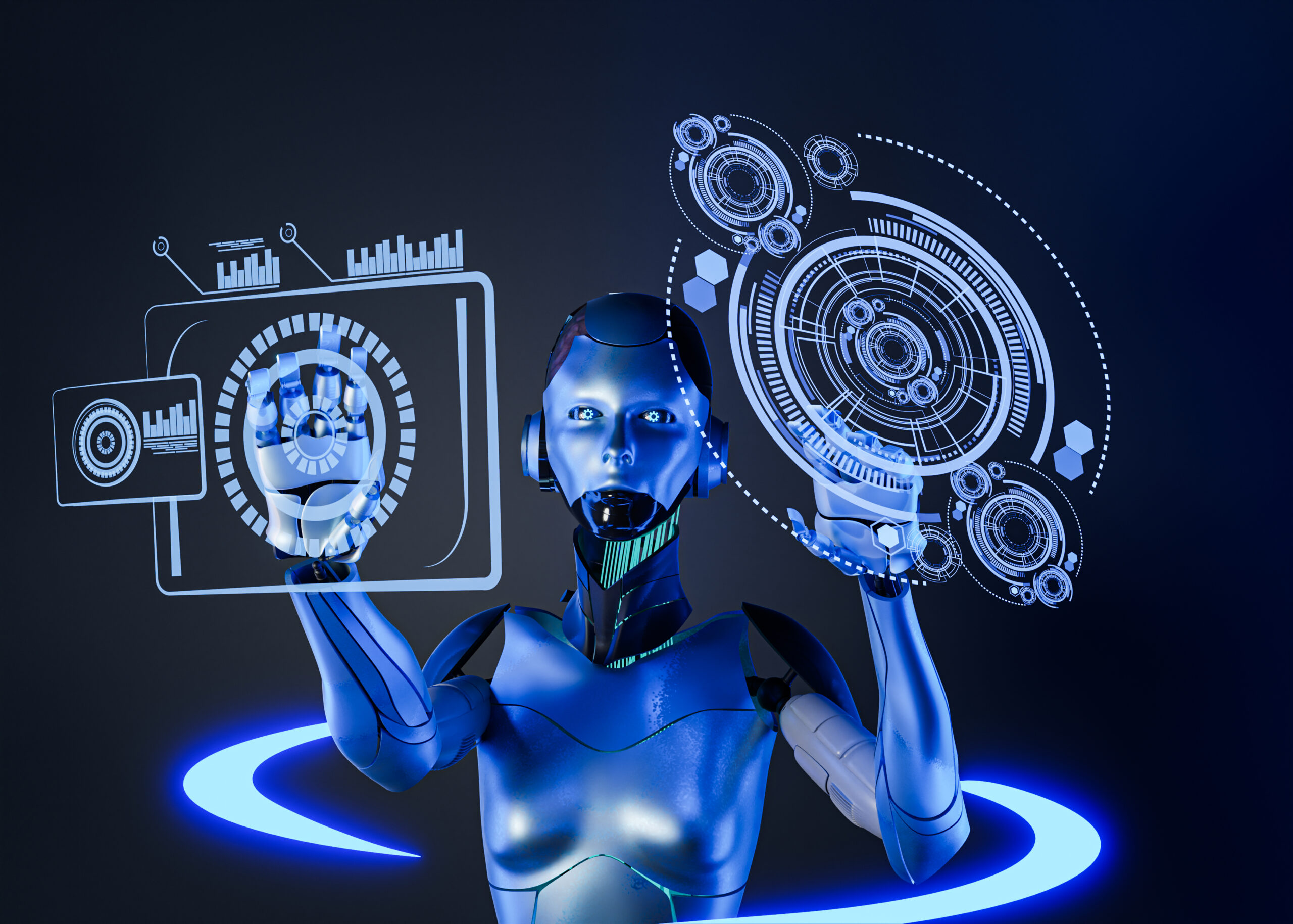
- Learning: AI systems can improve performance by analyzing data and identifying patterns (e.g., a recommendation engine learning your preferences).
- Reasoning: AI can make decisions based on logic, rules, or probability models (e.g., fraud detection in banking).
- Perception: AI can interpret inputs from the environment, such as recognizing images, voices, or text (e.g., facial recognition systems).
- Problem-Solving: AI can analyze complex situations and provide solutions (e.g., optimizing supply chains).
- Autonomy: Some AI systems can operate independently, making decisions without human intervention (e.g., autonomous vehicles) .
Types of Artificial intelligence
1. Based on Capabilities
This classification looks at how “intelligent” the AI is and what it can do compared to human intelligence.
a) Narrow AI (Weak AI)
- Definition: AI designed to perform a specific task or a limited range of tasks.
- Capabilities: Performs extremely well in its area but cannot generalize beyond it.
- Examples:
- Virtual assistants like Siri, Alexa, or Google Assistant.
- Chatbots for customer service.
- Recommendation systems like Netflix or Amazon suggestions.
- Key Point: Narrow AI dominates today’s AI landscape.
b) General AI (Strong AI)
- Definition: AI that can understand, learn, and apply intelligence across a wide range of tasks, similar to a human being.
- Capabilities: Can think, reason, plan, solve problems, and adapt to new situations autonomously.
- Status: Still theoretical and does not exist yet in practical terms.
- Goal: To perform any intellectual task a human can do.
c) Superintelligent AI
- Definition: A future AI that surpasses human intelligence in all areas—creativity, problem-solving, emotional intelligence, and decision-making.
- Potential: Could revolutionize science, technology, and society—but also poses significant ethical and existential risks.
- Status: Purely theoretical, often discussed in AI ethics and futurism.
2. Based on Functionalities
This classification looks at how AI operates and what it can do. It’s more technical and practical.
a) Reactive Machines
- Definition: AI systems that react to specific inputs but cannot form memories or learn from past experiences.
- Characteristics:
- No ability to store past data.
- Focused on present input and output.
- Examples:
- IBM’s Deep Blue chess computer, which beat Garry Kasparov in 1997.
- Simple recommendation engines that don’t personalize based on past behavior.
b) Limited Memory AI
- Definition: AI systems that can use past data to inform decisions for a short period.
- Characteristics:
- Can improve over time using historical data.
- Widely used in self-driving cars, chatbots, and fraud detection systems.
- Examples:
- Autonomous vehicles, which analyze recent traffic data to make driving decisions.
- Virtual assistants that remember your preferences temporarily.
c) Theory of Mind AI (Experimental)
- Definition: AI that can understand human emotions, beliefs, and intentions.
- Goal: To interact socially like humans by recognizing emotional states.
- Status: Experimental; not fully developed yet.
- Potential Applications:
- Human-robot interaction.
- Mental health AI assistants that respond to emotional cues .
- Definition: AI systems that can use past data to inform decisions for a short period.
- Characteristics:
- Can improve over time using historical data.
- Widely used in self-driving cars, chatbots, and fraud detection systems.
- Examples:
- Autonomous vehicles, which analyze recent traffic data to make driving decisions.
- Virtual assistants that remember your preferences temporarily.
c) Theory of Mind AI (Experimental)
- Definition: AI that can understand human emotions, beliefs, and intentions.
- Goal: To interact socially like humans by recognizing emotional states.
- Status: Experimental; not fully developed yet.
- Potential Applications:
- Human-robot interaction.
- Mental health AI assistants that res
Summary Table
| Classification | Definition | Example/Status |
|---|---|---|
| Narrow AI | Task-specific AI | Siri, Netflix, Alexa |
| General AI | Human-level intelligence | Theoretical |
| Superintelligent AI | Beyond human intelligence | Theoretical/Futuristic |
| Reactive Machines | Reacts to inputs, no memory | Deep Blue Chess AI |
| Limited Memory AI | Uses past data temporarily | Self-driving cars |
| Theory of Mind AI | Understands emotions and intentions | Experimental |
| Self-aware AI | Conscious, self-aware AI | Hypothetical |
AI in Everyday Life
Artificial Intelligence (AI) in everyday life refers to the use of intelligent computer systems and technologies that perform daily tasks in a smart, automated, and efficient way, often without requiring direct human effort. These AI systems analyze data, learn from user behavior, and make decisions or predictions to simplify routine activities such as communication, shopping, navigation, entertainment, and home management.
1. Virtual Assistants
AI-powered virtual assistants help us perform tasks using voice commands.
- Examples: Siri, Alexa, Google Assistant
- Uses: Setting alarms, sending messages, searching the internet, controlling smart devices.
2. Personalized Recommendations
AI analyzes your preferences and behavior to suggest content or products.
- Examples: Netflix, YouTube, Amazon
- Uses:
- Movie and show recommendations
- Product suggestions
- Music playlists
3. Social Media Feeds
AI controls what you see on social media platforms.
- Examples: Instagram, Facebook
- Uses:
- Showing relevant posts and ads
- Filtering harmful or inappropriate content
- Face recognition in photos

4. Navigation and Maps
AI helps in finding the best routes and avoiding traffic.
- Example: Google Maps
- Uses:
- Real-time traffic updates
- Shortest route suggestions
- Estimated arrival times

5. Online Shopping
AI improves the shopping experience and customer support.
- Examples: Amazon, Flipkart
- Uses:
- Chatbots for customer service
- Personalized product recommendations
- Price prediction and demand forecasting

6. Banking and Finance
AI makes financial transactions safer and faster.
- Uses:
- Fraud detection systems
- Credit scoring
- Automated trading
- Chatbots for banking support

7. Smart Homes
AI powers smart devices that automate household tasks.
- Examples: Smart speakers, smart lights, smart thermostats
- Uses:
- Voice-controlled appliances
- Energy management
- Home security systems
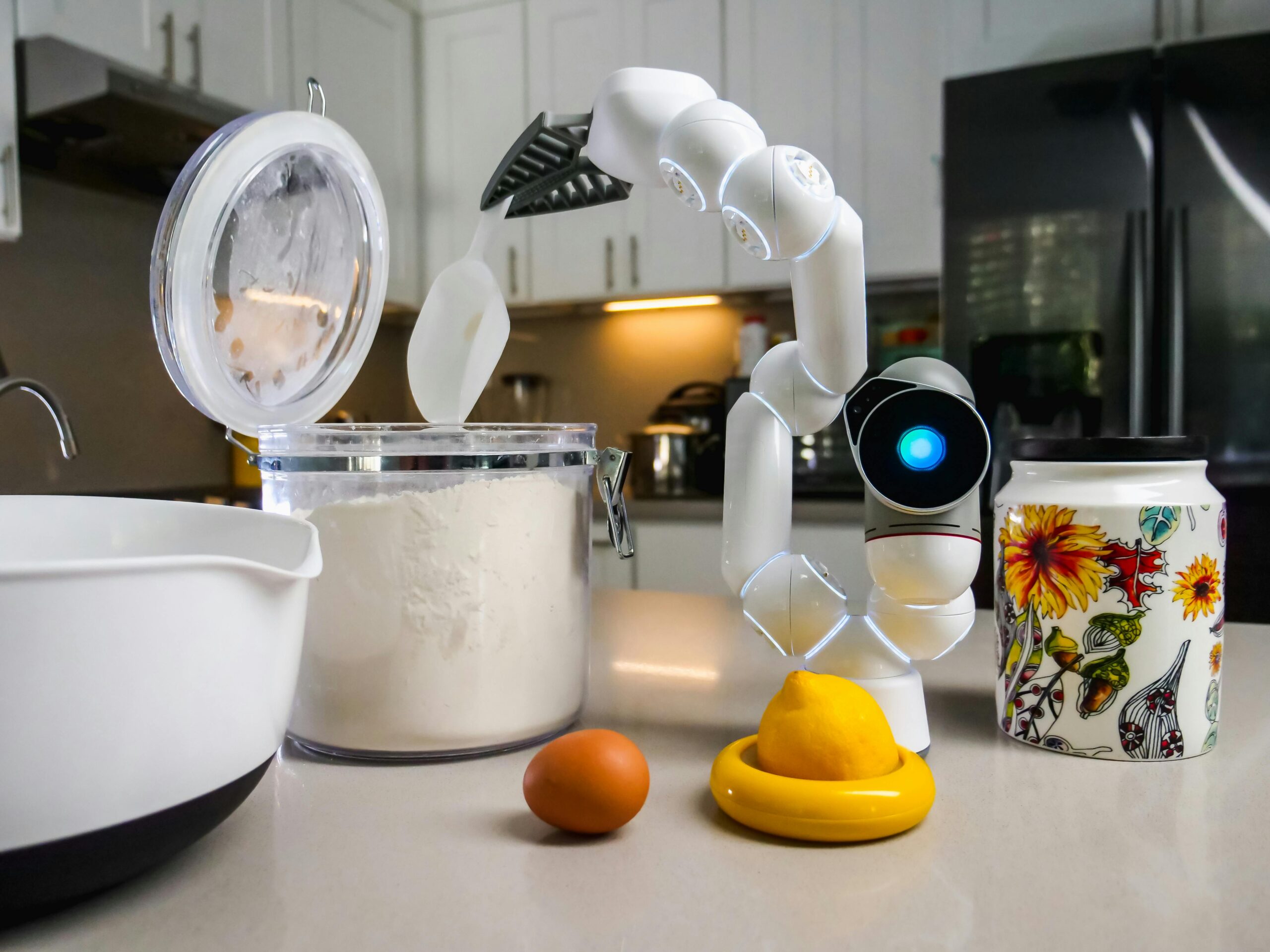
8. Healthcare
- Uses:
- Disease detection (like cancer diagnosis)
- Virtual health assistants
- Appointment scheduling

9. Transportation
AI is transforming how we travel.
- Uses:
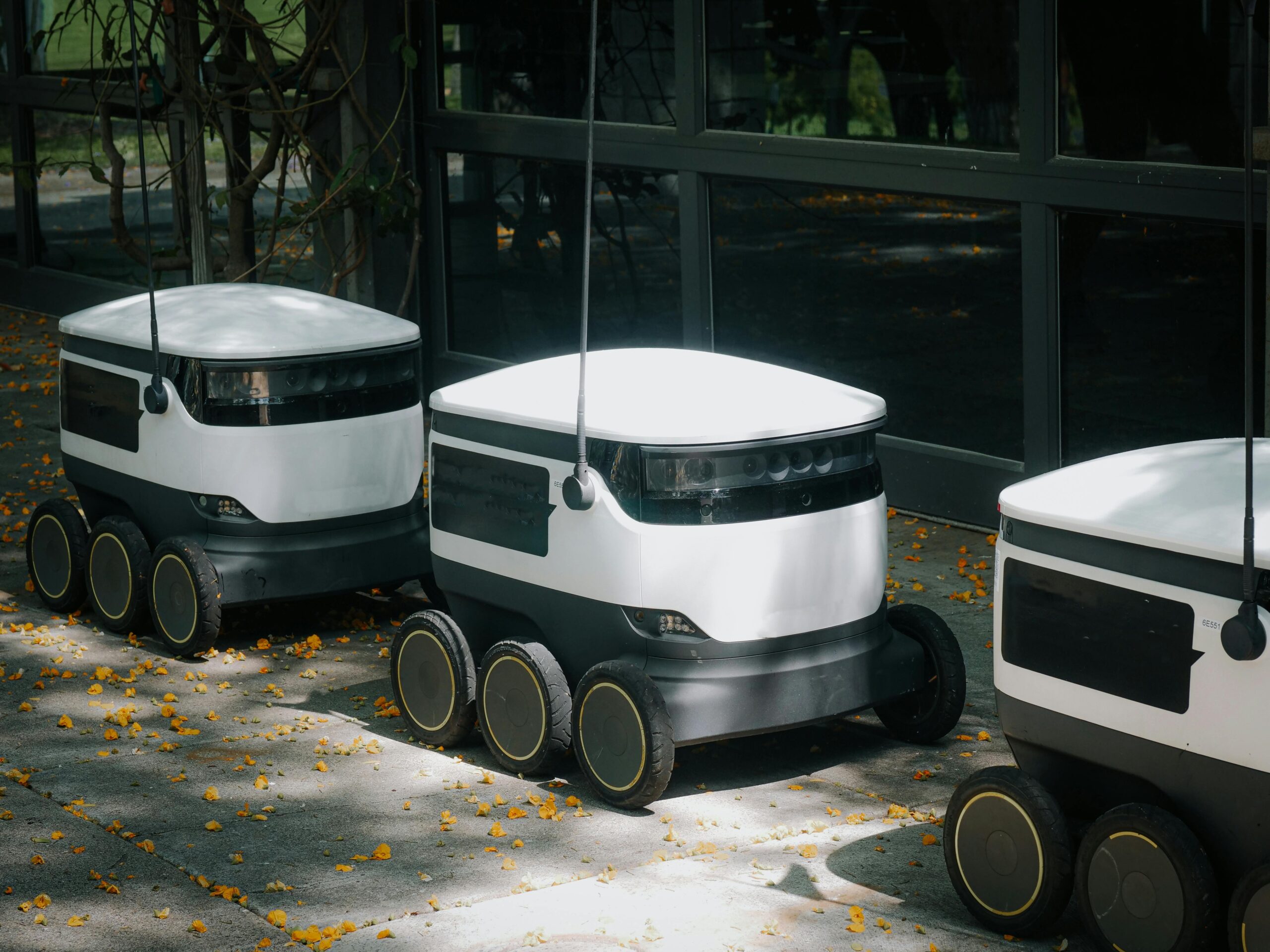
- Self-driving cars
- Traffic control systems
- Ride-sharing apps optimization
10. Email and Spam Filtering
AI filters unwanted messages and organizes emails.
- Uses:
- Spam detection
- Smart replies
- Email categorization

Challenges and Risks of AI
1. Job Displacement
One of the biggest concerns is that AI can replace human workers, especially in repetitive or routine jobs. Automation in industries like manufacturing, customer service, and transportation may lead to unemployment or the need for reskilling.
2. Data Privacy and Security
AI systems rely heavily on large amounts of data. This raises concerns about:
- Personal data misuse
- Unauthorized surveillance
- Data breaches and hacking
If not properly managed, sensitive information can be exposed or exploited.
3. Bias and Discrimination
AI systems learn from existing data, which may contain human biases. As a result:
- AI can make unfair decisions (e.g., in hiring or lending)
- It may reinforce social inequalities
This is a major issue in ethical AI development.
4. Lack of Transparency
Many AI systems (especially advanced ones) work like “black boxes,” meaning:
- It’s hard to understand how decisions are made
- Difficult to explain outcomes
This lack of transparency can reduce trust and accountability.
5. Dependence on Technology
As people rely more on AI:
- Critical thinking and human skills may decline
- Systems failures can cause major disruptions
Overdependence can make society vulnerable if AI systems fail.
6. Security Threats
AI can be misused for harmful purposes, such as:
- Cyberattacks and hacking
- Deepfakes and misinformation
- Autonomous weapons
These uses can pose serious global risks.
7. High Costs and Complexity
Developing and maintaining AI systems can be expensive and complex:
- Requires skilled professionals
- Needs powerful computing resources
- Not easily accessible to all organizations
8. Ethical Issues
AI raises important ethical questions:
- Should machines make life-and-death decisions?
- How should AI treat human values and rights?
- Who is responsible when AI makes mistakes?
9. Lack of Human Judgment
AI lacks emotions, empathy, and moral reasoning:
- Cannot fully understand human feelings
- May make decisions that are technically correct but socially inappropriate
10. Uncertain Future Risks
Advanced AI (like future superintelligent systems) could:
- Become difficult to control
- Act in ways not aligned with human interests
Though theoretical, this is widely debated by experts.
Conclusion
While AI offers many benefits, it also presents serious challenges and risks that must be carefully managed. Responsible development, ethical guidelines, and proper regulation are essential to ensure that AI benefits society without causing harm.